
🐱 What Is a “Wanekos” (Japanese Cat)?
In Japan, “Wanekos” refers to domestic cats that have lived in the country for centuries.
They’re not a single pure breed, but rather a term for cats of Japanese origin, often with short coats, rounded faces 😊, and a variety of coat patterns 🎨.
These traits developed naturally through adaptation to Japan’s climate 🌸🍂 and close coexistence with people.
🌟 Distinctive Features of Japanese Cats
- 🐾 Medium build with a sturdy frame
- 🧵 Short, soft fur
- 👃 Well-defined, straight nose bridge
- 🍀 Curled or short “kinked tails,” considered lucky charms in folklore
🎨 Main Color Patterns and Their Cultural Meanings
🎀 Calico (Mikeneko) — Mostly Female, Symbol of Good Fortune
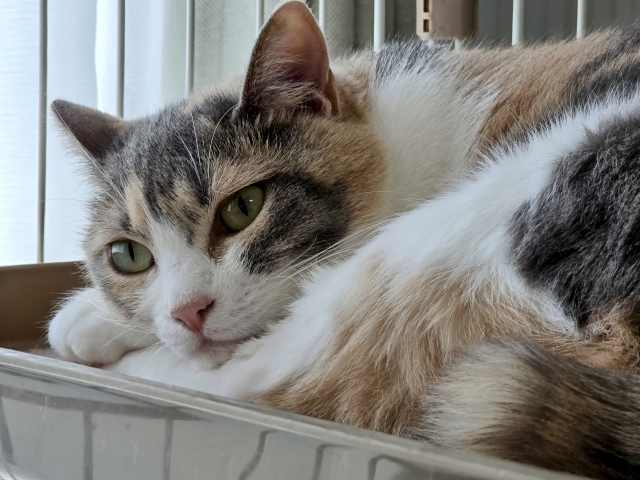
- Appearance: White, black, and orange patches. Every pattern is unique 🎨.
- Genetics: Orange fur color is X-linked, so females (XX) can show both black and orange, while males (XY) usually only one. Male calicos are extremely rare (about 1 in 3,000) and often sterile.
- Culture: The calico coat is the most auspicious color for the Maneki-neko (beckoning cat) figurine, believed to attract wealth 💰.
🤍 Solid White — Purity and Mystery
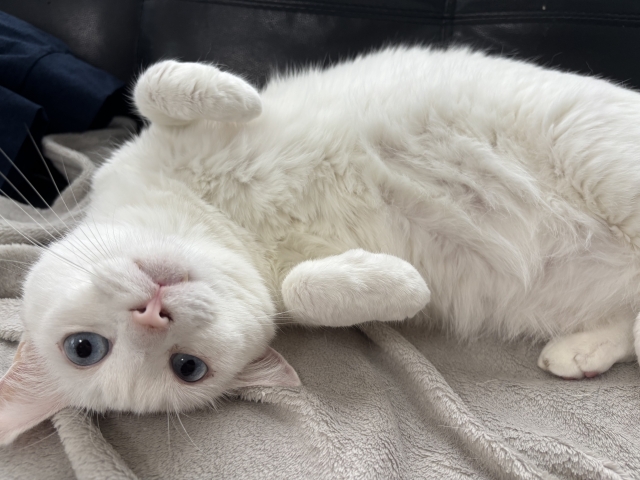
- Appearance: Entirely white coat; eyes may be blue, gold, or odd-eyed.
- Hearing Note: White cats with blue eyes have a higher risk of congenital deafness (up to 65–85% for both blue eyes).
- Sun Care: Pale ears and noses are prone to sun damage and even skin cancer—limit sunbathing in direct light.
🖤 Solid Black — Protection and Warding Off Evil
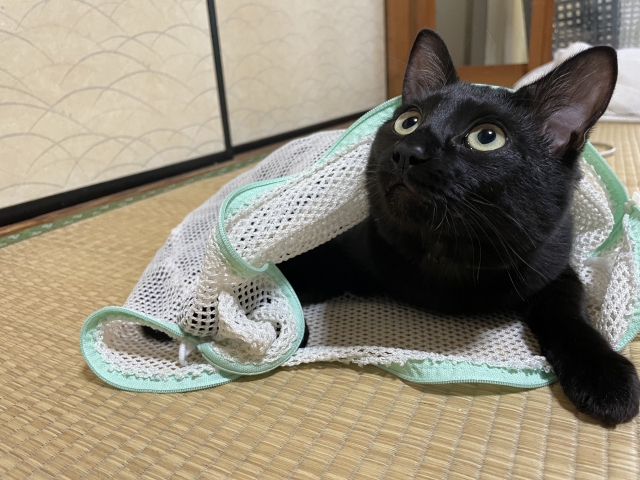
- Appearance: Entirely black coat, sometimes with a brownish “sun-fade.”
- Culture: In Japan, black cats are considered good luck and talismans against evil spirits. Black Maneki-neko are thought to protect the home.
- Fun Fact: Unlike Western superstition, in Japan a black cat crossing your path is a good omen.
🐢 Tortoiseshell — Calm Wisdom with Fiery Colors
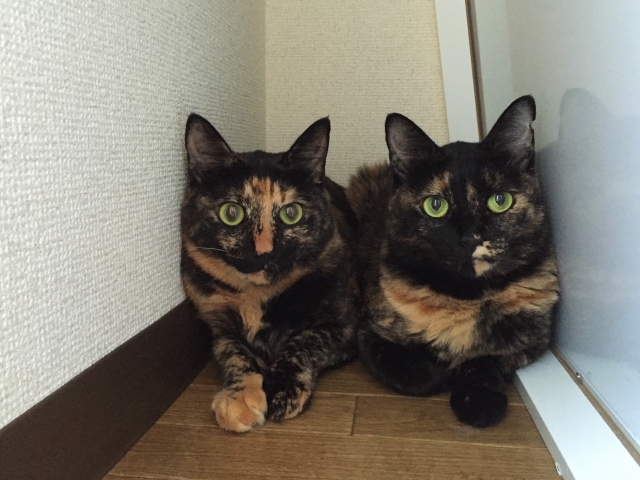
- Appearance: Black and orange intermixed in a mottled pattern; white patches create “calico-like” looks.
- Genetics: X-linked like calico, so males are rare.
- Personality Lore: Known for “tortitude”—playfully described as feisty and independent.
🐄 Bicolor (Black & White, Brown & White) — Playful Variety

- Appearance: Solid color with white markings—tuxedo, “hachiware” (split-faced), cow spots, and more.
- Culture: No special superstition, but loved for their expressive markings.
- Care Tip: White areas may show tear stains or dirt more easily—regular gentle cleaning helps.
🐯 Tabby — The Timeless Stripe
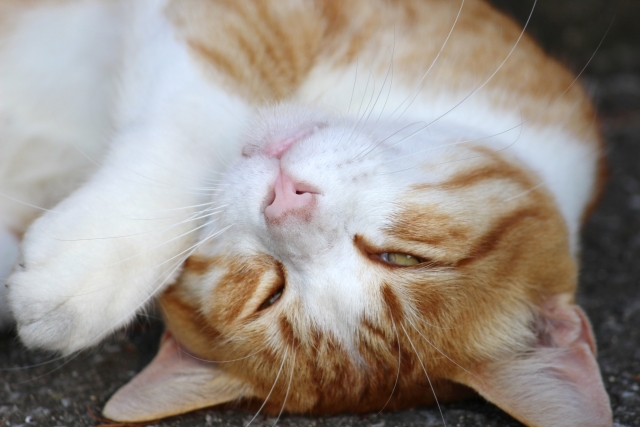
- Appearance: Striped, spotted, or swirled patterns; often with an “M” mark on the forehead.
- Varieties: Mackerel (narrow stripes), classic (swirls), spotted, and ticked (speckled).
- Culture: Common in Japan’s streets and artwork, representing everyday companionship.
📜 Historical and Cultural Background
- Yayoi Period (300 BCE–300 CE): Cat bones found in archaeological sites show they have lived in Japan for millennia.
- Heian Period (794–1185): Cats appear in poetry and literature, kept as companions by nobles.
- Edo Period (1603–1868): Featured in ukiyo-e woodblock prints; adored by commoners.
- Modern Influence: The Japanese Bobtail, a natural breed from these native cats, inspired the famous Maneki-neko.
💖 Why the World Loves Japanese Cats
- 🌸 Natural Beauty — Evolved without heavy selective breeding.
- 👫 Sociable and Adaptable — A result of centuries living alongside humans.
- 🎭 Rich Cultural Roots — Deep ties to art, folklore, and national identity.
📝 Final Thoughts
Japanese cats are living cultural treasures—blending natural elegance, rich history, and personal charm.
When you share your home with one, you’re not just keeping a pet—you’re continuing a story written over hundreds of years 📖💕
#Waneko #JapaneseCats #PetCultureJapan #LuckyCatsJapan #JapaneseBobtail

コメント