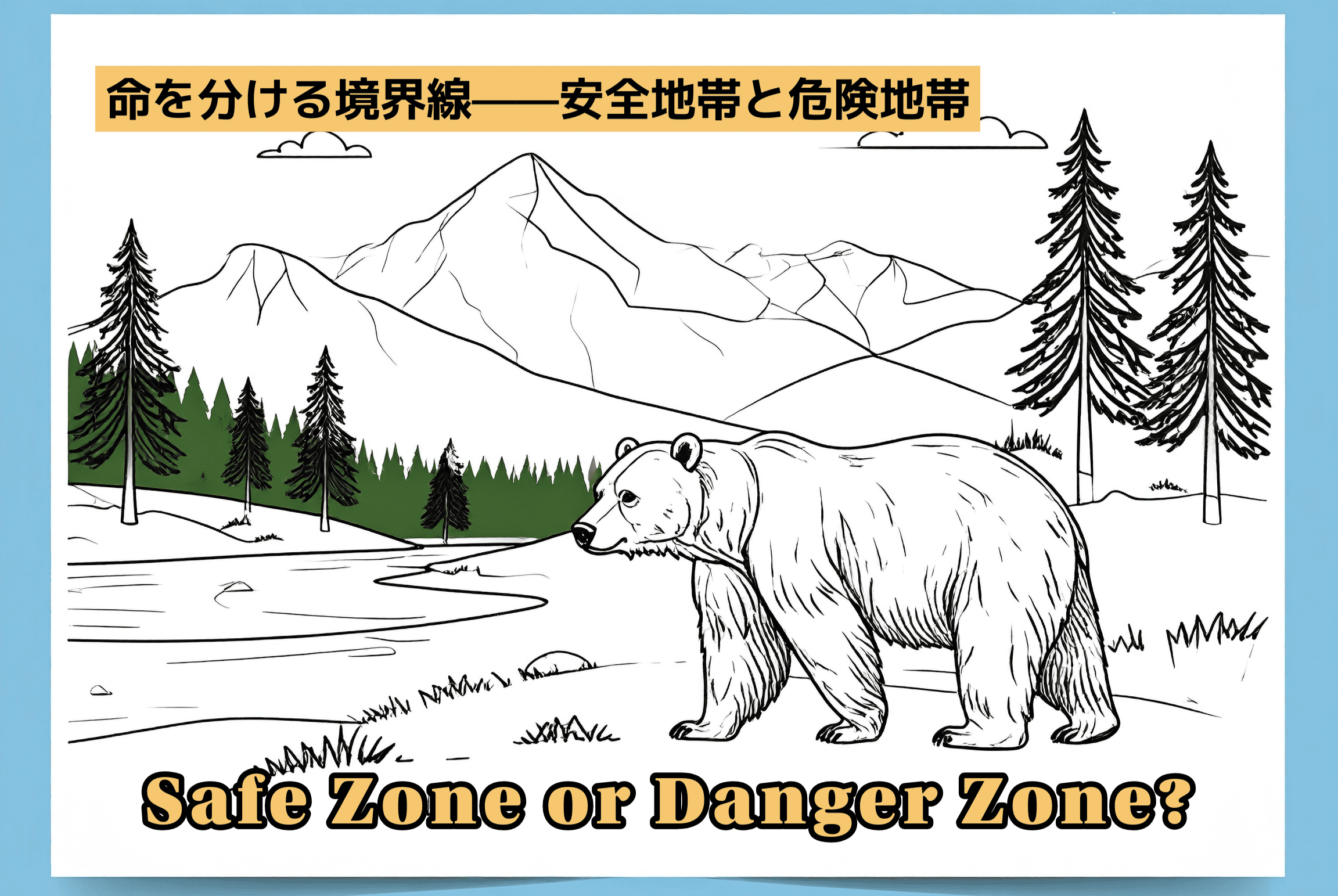
“Here, you’re safe—but one step outside and your life is in danger.”
Japan’s wild animals live in the fragile space between protected areas and human society.
While many wildlife reserves overseas strictly prohibit human entry, Japan’s protected areas are built on the idea of coexistence between people and nature.
So why are “safe zones” for animals scattered rather than continuous in Japan?
Let’s look at the differences between overseas and Japanese reserves, the animals protected by law, and what we can do to help.
🌍 Overseas vs. Japanese Wildlife Reserves
Overseas Cases
United States – Yellowstone National Park
- The world’s first national park (est. 1872).
- Home to grizzlies, bison, wolves, and other large mammals.
- Hunting is strictly prohibited. Camping and sightseeing are limited to designated areas.
- Humans are “observers,” never stepping into the animals’ living space.
Kenya – Maasai Mara National Reserve
- Home to elephants, lions, wildebeests, and other African wildlife.
- Hunting is completely banned; tourism is limited to guided safari tours.
- Management respects migration routes, with humans as “supporting actors.”
👉 The common principle: humans step back so animals can live first.
Reserves are created for wildlife, not for human use.
Japanese Cases
In contrast, Japan emphasizes “coexistence” rather than exclusion.
National Parks (Shiretoko, Shirakami Mountains, Yakushima, etc.)
- UNESCO World Natural Heritage sites.
- Hiking and sightseeing are widely allowed; only a few areas are fully off-limits.
- Conservation and tourism must coexist.
Wildlife Protection Areas / Special Protection Zones
- Hunting and killing wild animals is prohibited within these zones.
- But once animals leave, hunting or culling may be permitted.
👉 In Japan, “safe zones” and “danger zones” exist side by side.
Animals, of course, don’t recognize these invisible boundaries—
they simply move in search of food and shelter, unknowingly crossing into danger.
Humans draw the lines, but for animals, those lines determine life or death.
🐾 Animals Protected by Japanese Law
Iriomote Cat (Iriomote Island)
- National Special Natural Monument, endangered species.
- Endemic to Iriomote Island only.
- Capture and killing are completely banned.
- Threats: roadkill and invasive species like feral cats.
Amami Rabbit (Amami Ōshima & Tokunoshima)
- National Natural Monument, endangered species.
- A living fossil that inhabits old-growth forests.
- Patrols fight illegal hunting, with fines and prison penalties for violators.
Red-Crowned Crane (Hokkaido)
- National Special Natural Monument.
- Once near extinction, now recovering thanks to feeding programs.
- Still faces challenges with crop damage and coexistence with people.
Japanese Serow (Mainland Japan)
- National Special Natural Monument, symbolic of Japanese wildlife.
- Strictly protected nationwide, considered a success story.
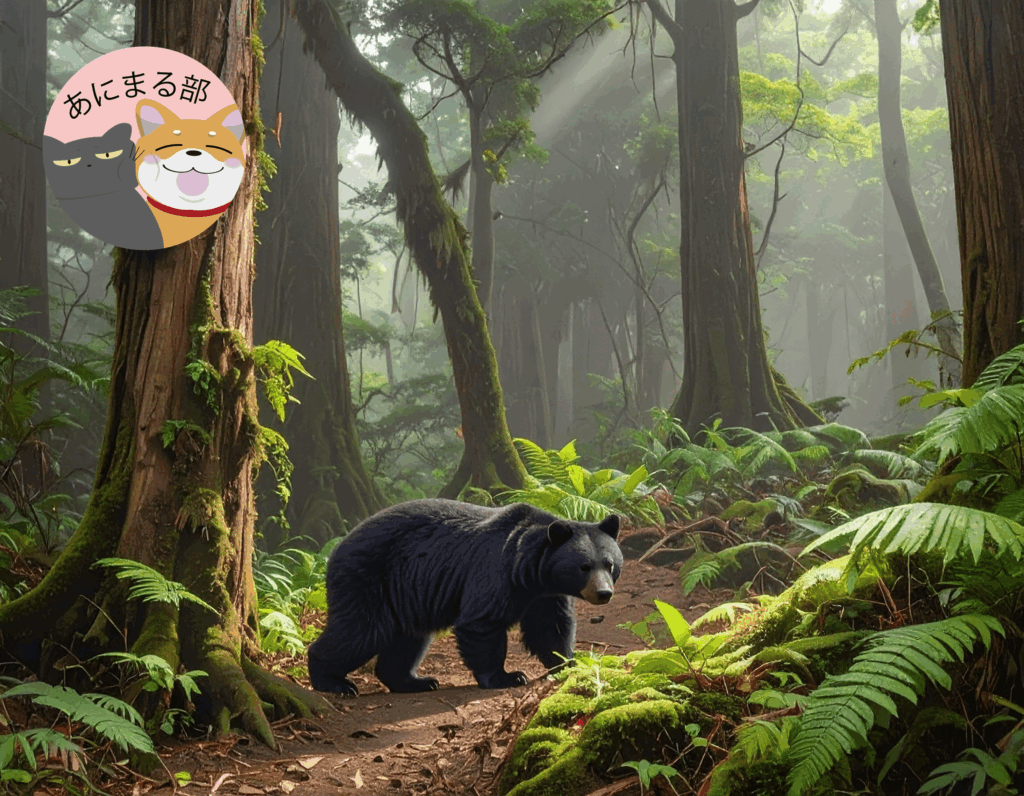
Asian Black Bear & Brown Bear
- Legally classified as “game species.”
- Protected inside reserves, but culling is permitted if they cause damage or pose risks.
- Exist in the gray zone between protection and extermination.
⚖️ Japan’s Blurred Boundaries: Safe Zone vs. Danger Zone
- Inside reserves: Capturing or killing animals is prohibited by law → “Safe Zone.”
- Outside reserves: Hunting season (Nov–Feb) allows licensed hunters to kill deer or bears. Problem animals can be culled year-round → “Danger Zone.”
Examples:
- Hokkaido: Bears in Shiretoko are protected as part of a World Heritage Site, but once they enter towns, they’re immediately targeted for culling.
- Mainland Japan: Black bears are safe in the mountains, but once they enter villages, they’re deemed “dangerous animals.”
👉 For wildlife, safety and danger flip at the stroke of a pen on a map.
🚨 What Happens on the Human–Animal Borderline
- Crop Damage – Deer and wild boars devastate farms; fences and lethal control are common responses.
- Human Attacks – Bear attacks occur every year; human safety is prioritized, leading to culling.
- Poaching – Illegal capture of endangered species still exists; police and NGOs patrol islands like Amami and Okinawa.
At the same time, conservation efforts are underway:
- Hokkaido: feeding stations for cranes.
- Iriomote: roadkill awareness signs and speed limits.
- Amami: night patrols and invasive species control.
🌱 What We Can Do
- Stay Out of Restricted Zones – Like overseas reserves, sometimes the best help is not entering.
- Respect Rules When Hiking or Sightseeing – Take your trash home, don’t feed animals, observe quietly.
- Learn About Protected Species – Just knowing names like Iriomote Cat or Amami Rabbit raises awareness.
- Support Local NGOs & Conservation Groups – Donations and volunteer efforts directly protect habitats.
✨ Even small shifts in awareness can mean the difference between survival and death for wildlife.
✅ Summary
- Overseas: Humans step aside; animals are the main actors.
- Japan: A constant balancing act between human use and nature.
Wild animals move freely between “safe” and “dangerous” zones, unaware of the invisible lines.
But ultimately, those lines are drawn by humans.
👉 The true boundary that protects wildlife is not in laws or maps—
it’s in our hearts.
Recommended for You 📚
|- 「Pet Taxi in Japan: How to Travel with Your Pet」
|- 🚨【Kagoshima】Rookie Police Dog “Walt” (1 year old) Honored Twice in Just 2 Months After Debut — Rescued Missing Persons! 🍠 Rewarded with Sweet Potatoes!
|- 🇯🇵🐾 Did You Know? Japan Has a Weather Forecast… Just for Dogs!
|- 🐱 Move Over August 8: Japan Celebrates Cat Day on February 22nd!


あにまるまにあ いぬまにあ くままにあ とりまにあ ねこまにあ イルカ ウマ オオカミ カラス ジャーマン・シェパード ゾウ トラ トリビア ライオン ランキング 伝説の生き物 動物 動物のIQ 動物のトリビア 動物のランキング 動物の不思議 動物の歴史 動物の生態 動物の知能 動物の研究 動物の科学 動物の習性 動物の能力 動物の行動 動物の視力 動物の論文 動物の雑学 大型犬 熊 熊の生態 犬 犬の生態 犬の能力 猫 猫の不思議 猫の生態 神獣・伝説・神話 警察犬 雑学 鳥類


コメント